


The tools and resources on this page have been developed with many current and prior collaborators and partners. We welcome you to use and apply them.
Go here for a list of prior projects and partners.
Governance
-
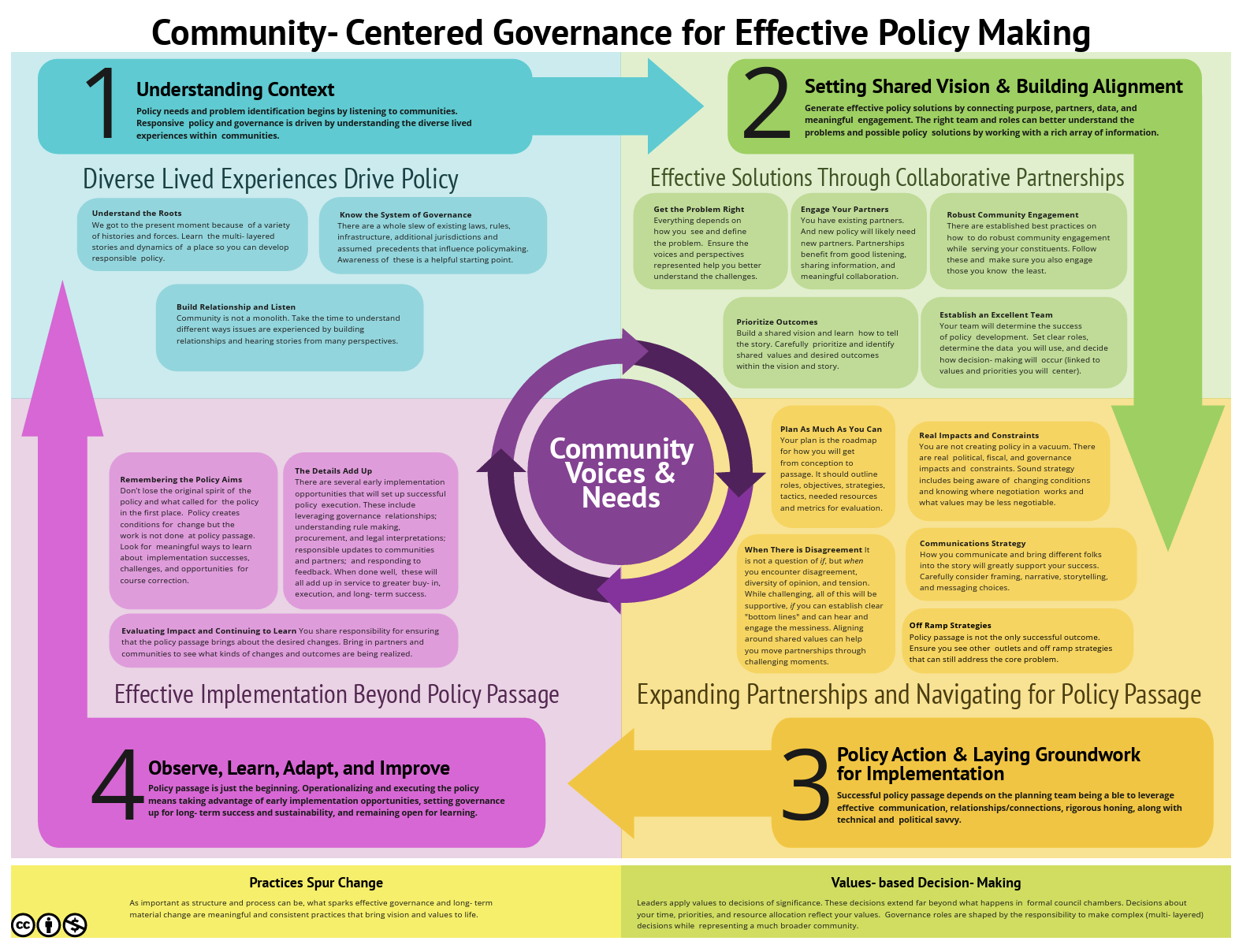
With or without state authority, the practice of governance is something we seek to cultivate. We are happy to share a suite of tools supporting Community-Centered Governance for Effective Policy Making that we helped develop with Portland State University’s Center for Public Service. They are in the creative commons to support your utilization! The curriculum is the most robust resource and links several of the other tools together.
-
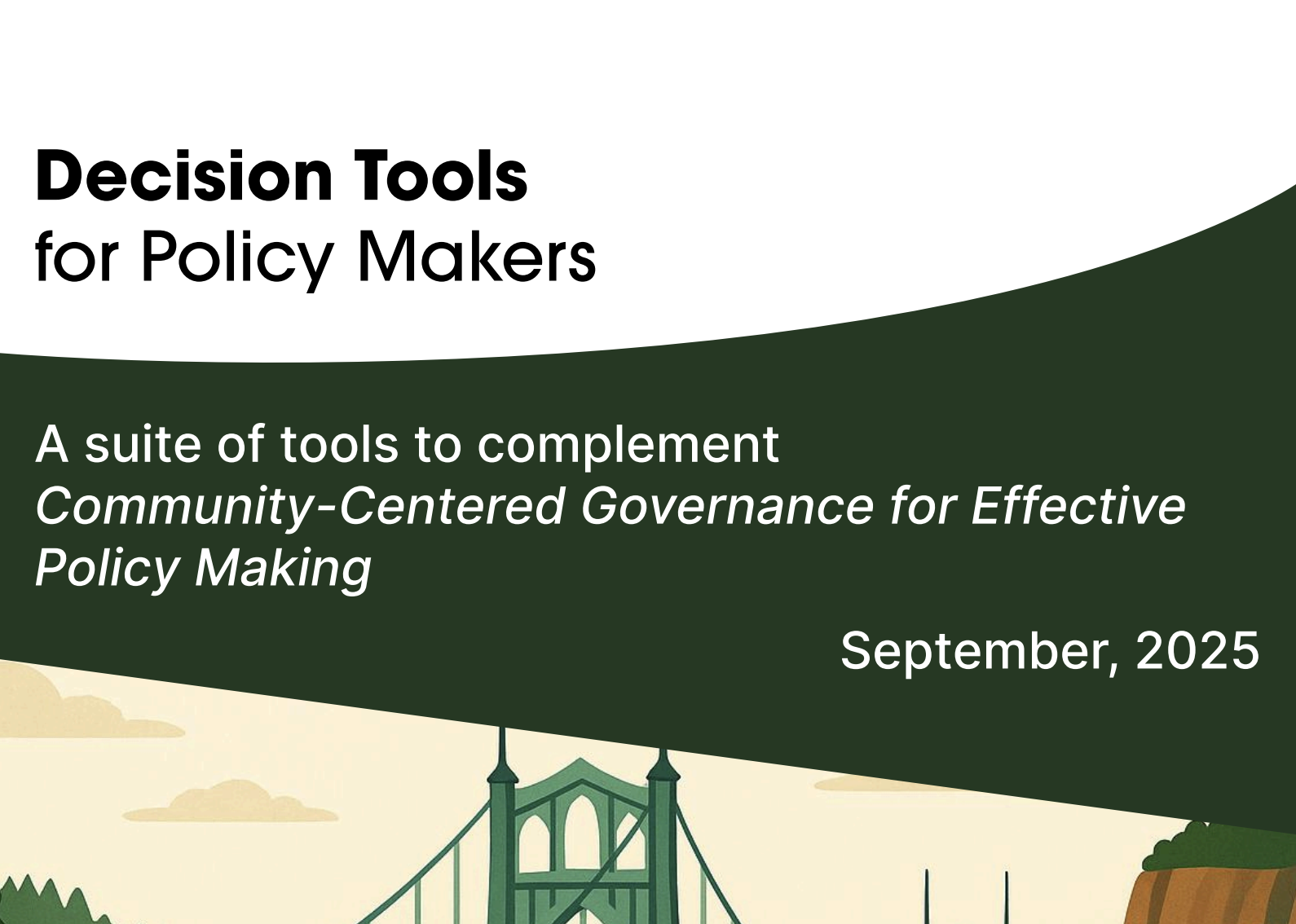
The practice of decision making is underestimated. This resource was first created to help leaders making consequential decisions with low-quality information during COVID-19. It is now updated and re-designed to meet the challenges of the present moment.
-
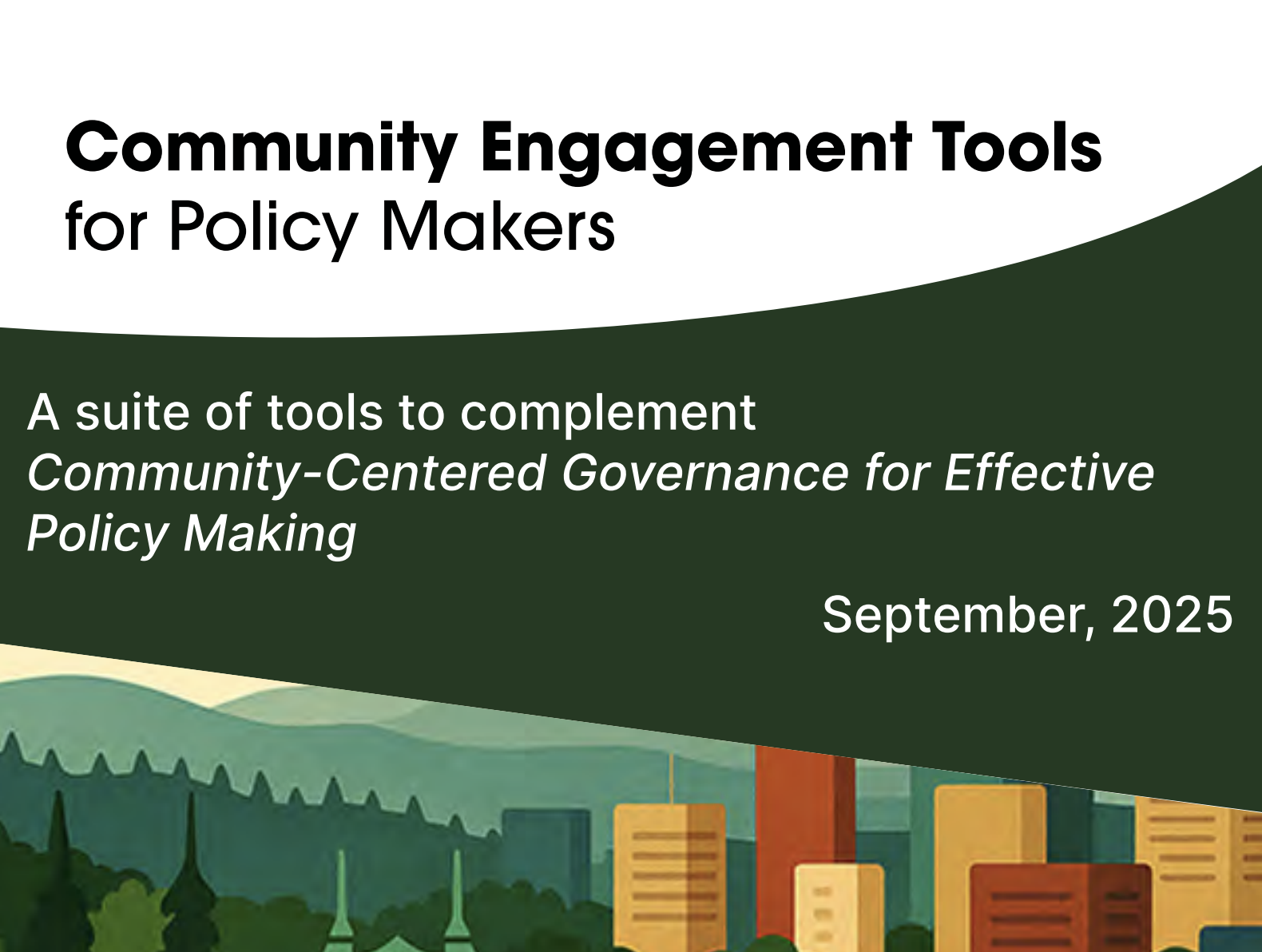
The goal of these community engagment tools is not to check a box or to get political cover, but rather to thoughtfully, meaningfully, and without teasing - engage communities for the purpose of policy taht leads to thriving outcomes and futures.
-
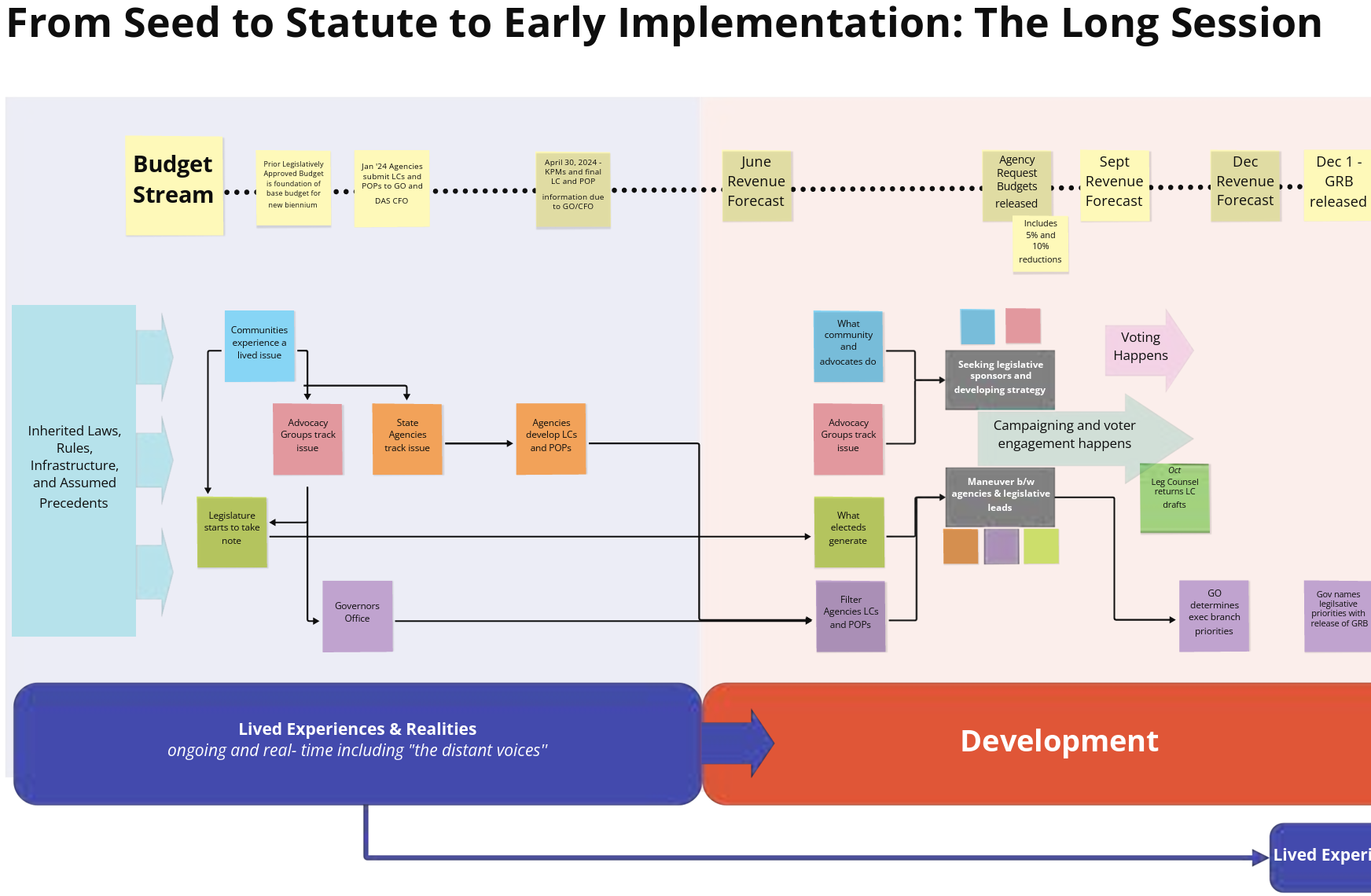
This is an artifact of work we did with Foundations for a Better Oregon as they worked with a small group of elected leaders to better understand Oregon’s ‘‘long-session’’ and what really happens.
-
We built the Quality Assurance & Learning Panel process as a statewide approach to community accountability in education. Community leaders and members reviewed district plans for the Oregon Integrated Application, providing alignment and feedback.
Organizational Learning, Design and Development
-
As we worked into ways we might find success within the institutional realities of the Oregon Department of Education, we were able to create, hire, and animate a position that is unique and should not be! Take a look and see if you’d benefit from this kind of role, if well practiced.
-
In close partnership with Dr. Shadiin Garcia, Scott taught a class that pulled together this wide array of resources related to building healthy culture in organizations.
-
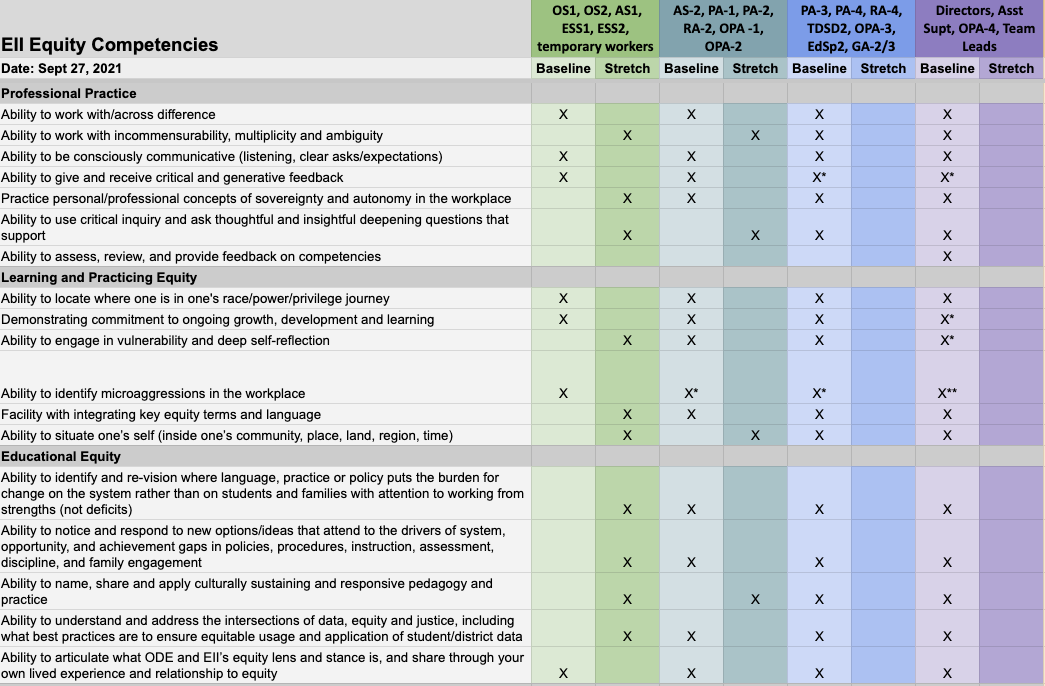
We developed these equity competencies to track, support and develop different kinds of staff to be able to meet certain equity goals tied to their role and function. We used them in a state government context but they can be adapted for other settings.
-
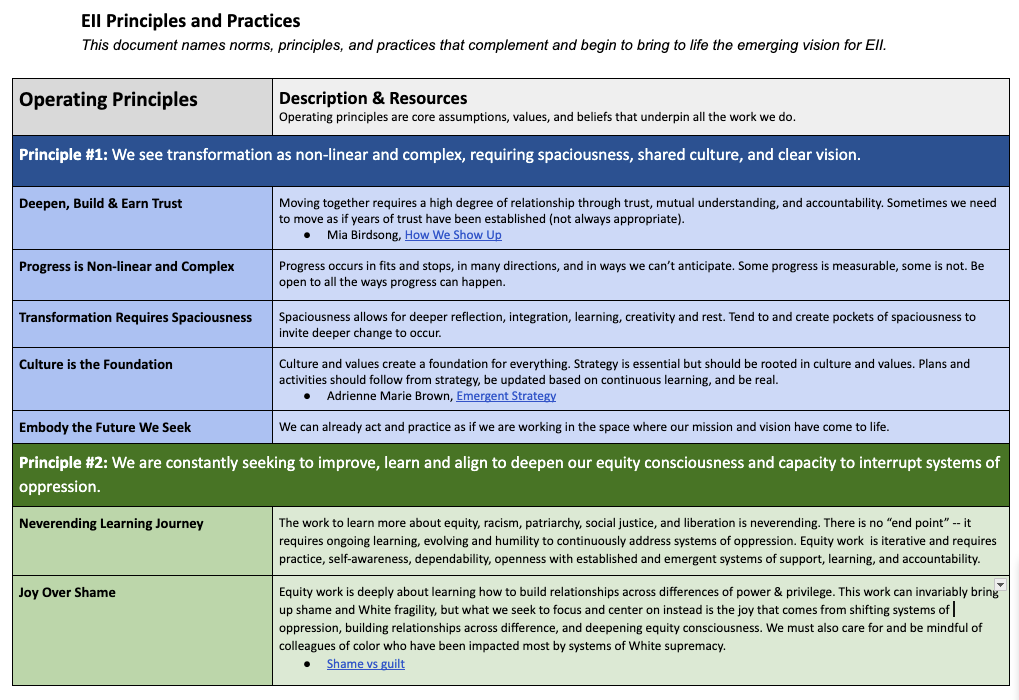
Co-developed with the staff of the Office of Education Innovation & Improvement at Oregon’s Dept of Education, this document is an in-depth description of the foundational culture needed for the organization to succeed.
-
Originally developed to navigate robust equity learning while working in the state government context, this document supports the ability to lean into (potentially charged) learning while knowing the supports, rights and expectations available for staff.
Evaluation and Outcome Mapping

-
Outcome Mapping is a learning approach to planning, monitoring, and evaluation. It lives in the field of ‘‘developmental utilization-focused’’ evaluation. In plain English, its about an approach that puts people and context at the center and is focused on evaluation findings actually getting used to make meaningful changes.
-
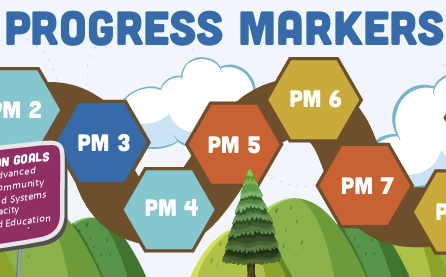
An artifact from ODE’s application of Outcome Mapping to describe the kinds of changes sought by funding focused on K-12 Innovation and Improvement.
-
This deck teaches the key principles of Targeted Universalism, as well as other tips and practices to keep in mind.
Operationalizing Towards the Horizon

-
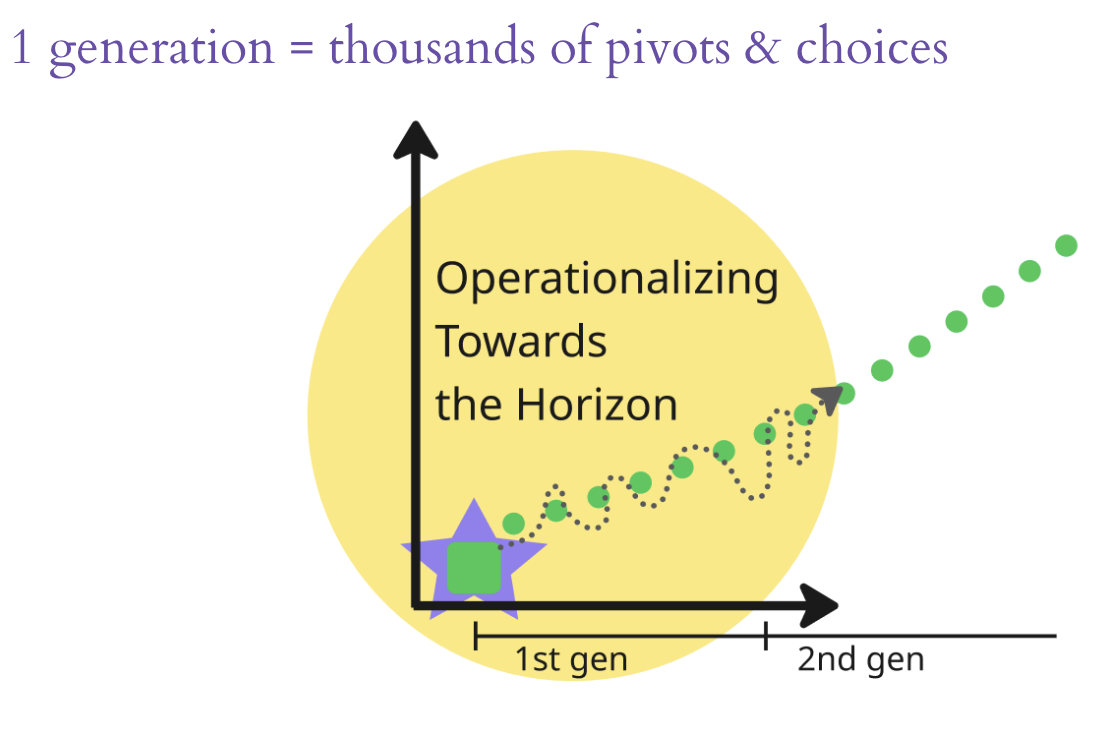
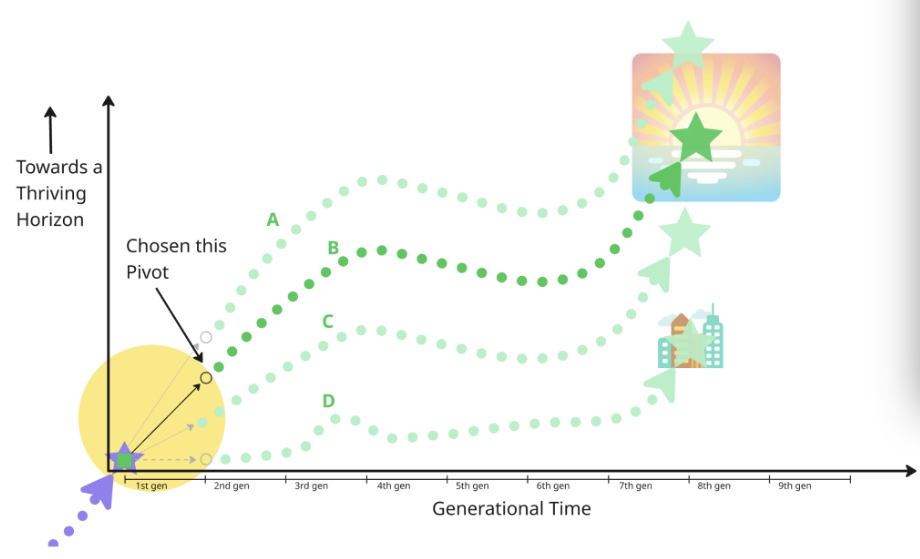
Built with Helen Kim, Nan Stoops and Tammy Johnson for Collective Acceleration, the goal of this resource is to level set with yourselves to get a clear-eyed and deeper understanding of where you are and then exploring the kinds of pivots towards the horizon you can choose to make
-
This assessment worksheet provides a concrete way to support navigation of your next moves, in relation to any pivots.
-
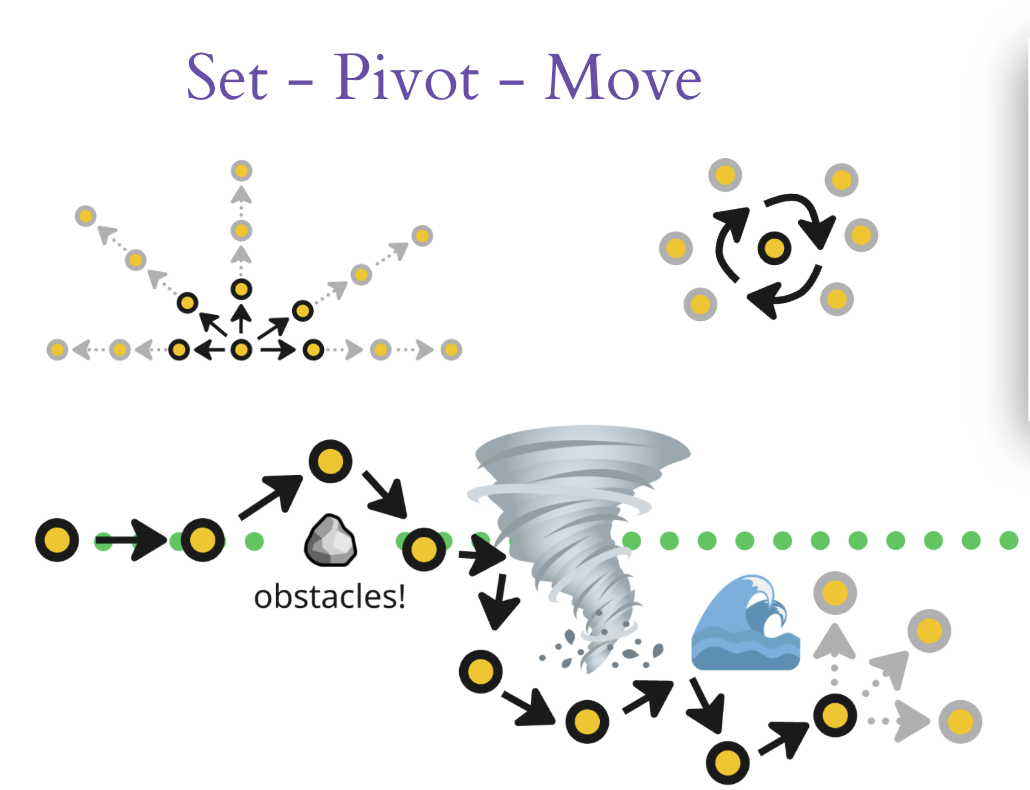
Developed for the Collective Acceleration Pivots workshop series, this slidedeck uses visuals and examples to explain horizons, tipping points, purpose, generational strategy, and the concept of: set - pivot - move.